
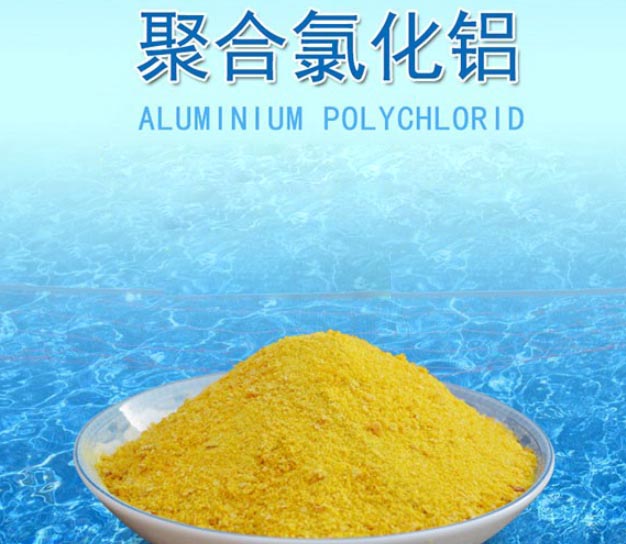
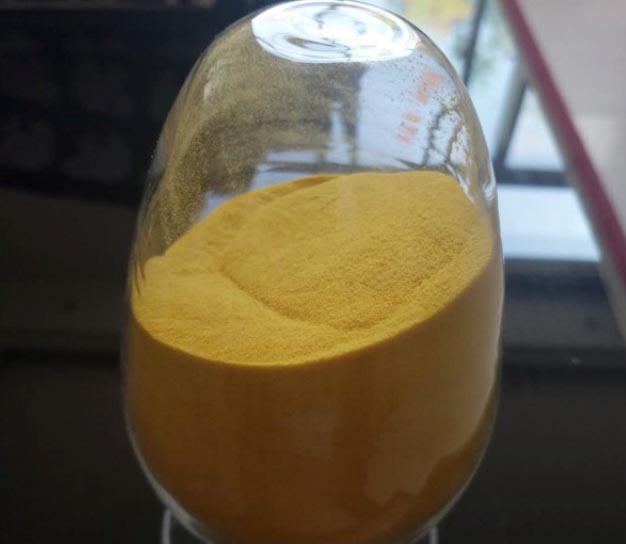
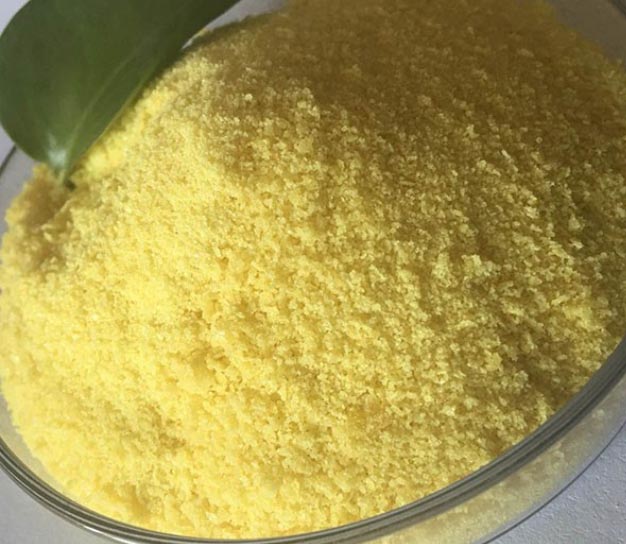
Polyaluminum chloride is widely used in the treatment of wastewater, with strong adsorption capacity. Its
colors are mostly yellow and brown, and white polyaluminum is also rare. Highly soluble in water, commonly used as a purification
material for urban and industrial wastewater. Many customers have inquired about how polyaluminum chloride is made. Today, we
will introduce the production process of polyaluminum chloride to you。
There are three production processes and application ranges for polyaluminum chloride:
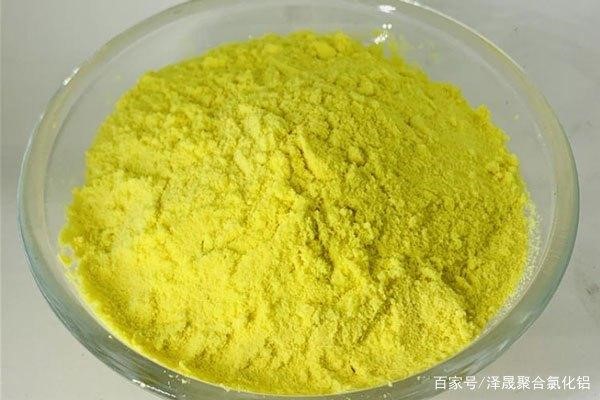
1. Drum type polyaluminum chloride has low production cost, brown or coffee color, moderate aluminum content,
high water insoluble content, and is more suitable for the treatment of ordinary sewage.
The drum type polyaluminum chloride is dried using a drum dryer. The drying time of the drum dryer for polyaluminum chloride is short, usually about 7-30
seconds. After a period of use, the thickness of the drum wall needs to be checked regularly because there will be
no residual product in the dryer. A small amount of PAC polyaluminum chloride solution can also be dried.
The rotary drum of the drum dryer is slightly inclined and can rotate. Liquid polyaluminum chloride enters from the upper part of one end, and afte
r processing and drying, the solid dry material of polyaluminum chloride is collected from the lower part of the other end. Hot air enters from the feeding or discharging
end and is discharged from the upper part of the other end. There is a forward copying plate inside the cylinder, which allows the material to continuously pick up and
sprinkle inside the cylinder, fully contacting the hot air flow to improve drying efficiency and move the material
forward. The heat source for drying materials is generally hot air, high-temperature flue gas, water vapor, etc.
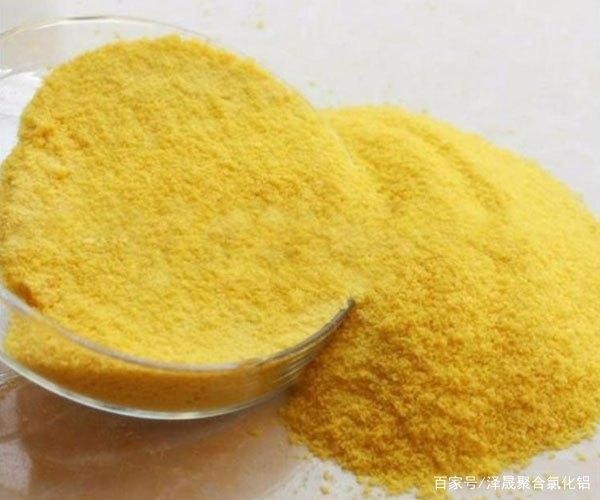
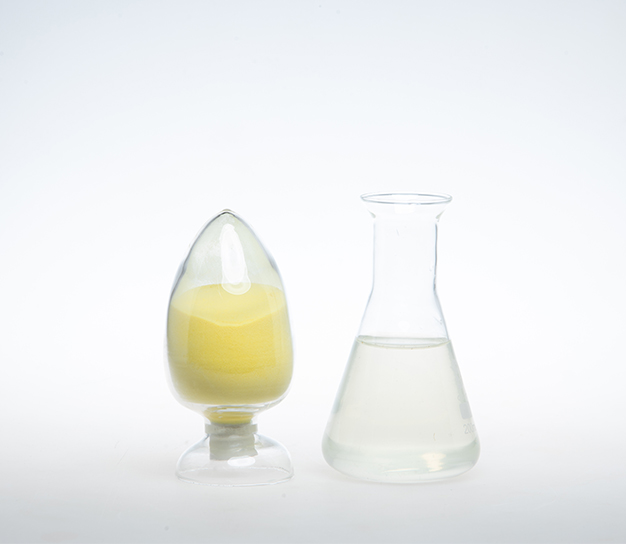
2. Plate and frame type polyaluminum chloride, with a beige color, high aluminum content, low water insoluble matter, used for sewage treatment and drinking water treatment.
Plate and frame type polyaluminum chloride is made by processing liquid polyaluminum chloride through plate and frame pressure
filtration and drum drying on the basis of slurry mixing. By using multiple filtering plates, the content of insoluble substances in
the filtered water is greatly reduced. A 10% aqueous solution is a light yellow transparent liquid, which can ensure the smooth flow
of pipelines and improve the efficiency of using polyaluminum chloride. The application of plate and frame filtering type
polyaluminum chloride has low corrosiveness to the instruments and equipment in the purification device, which
can simplify the water purification equipment, reduce the footprint of the water purification equipment,
save investment, and achieve high-speed water purification. Plate and frame type polyaluminum chloride
is produced by the reaction of aluminum ore powder and hydrochloric acid. It is an inorganic polymer
and is currently the most ideal and economical high-efficiency water treatment agent for water purification,
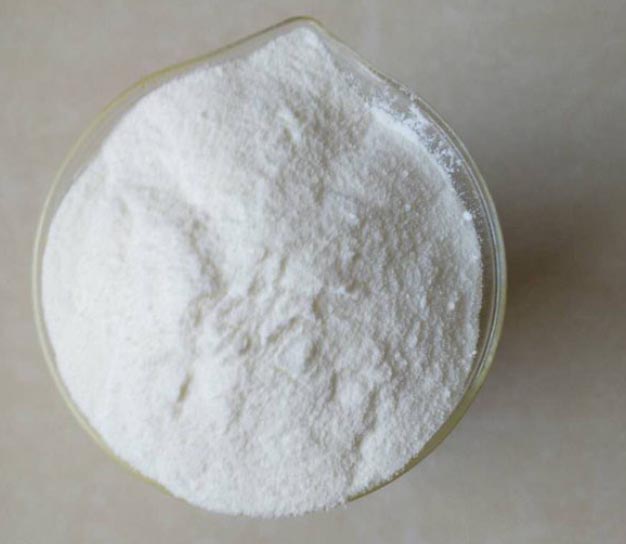
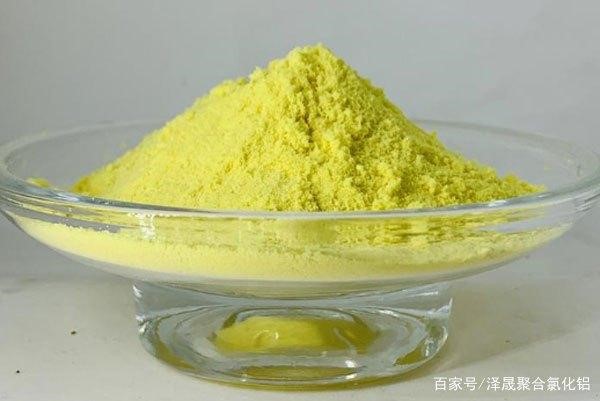
3. spray drying polyaluminum chloride, with high production cost, white or yellow color, high aluminum content,
low water insoluble matter, and fast dissolution rate, is used for drinking water and higher standard water treatment.
Spray drying is to atomize polyaluminum chloride into tiny particles when it is dried. The granular products
obtained have excellent dust prevention performance and flow performance. During the drying process
of polyaluminum chloride, a 40% -50% content polyaluminum chloride solution is introduced into a high
-pressure pump and pressurized before entering a dryer for atomization and drying. The performance of
spray drying polyaluminium chloride is mainly determined by the working principle of the centrifugal atomizer.
A large number of positively charged and stable multinuclear aluminum hydroxide complexes can effectively flocculate
and size. White in appearance, with extremely low iron content, commonly used for the production of high-quality paper.
Under the condition of the same water quality, the dosage of spray drying products can be reduced by half compared with roller
drying polyaluminum chloride, which not only reduces the labor intensity of workers, but also, more importantly,
reduces the cost of users. In addition, spray drying products can ensure safety, reduce water accidents, and are very safe and reliable for residents' drinking water.