
The alumina content in polyaluminum chloride is a measure of the effective components of the product, which is related
to the relative density of the solution. Generally speaking, the higher the relative density, the higher the alumina content.
The viscosity of polyaluminum chloride is related to the content of alumina, and increases with the increase of alumina
content. Under the same conditions and concentration of alumina, the viscosity of polyaluminum chloride is lower than that of aluminum sulfate, which is more conducive to transportation and use.
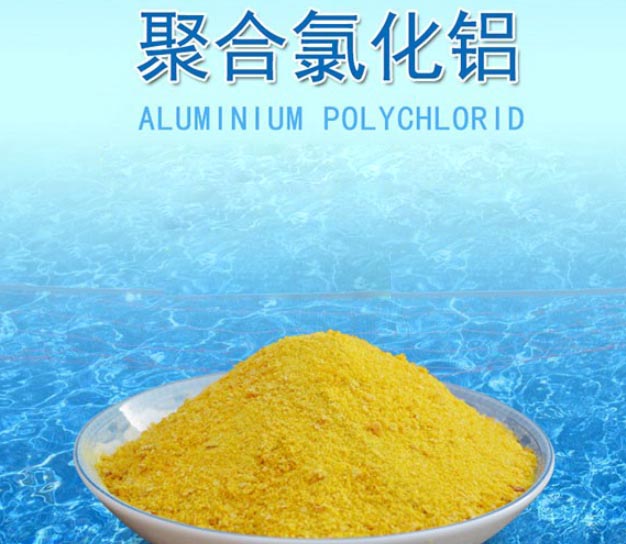
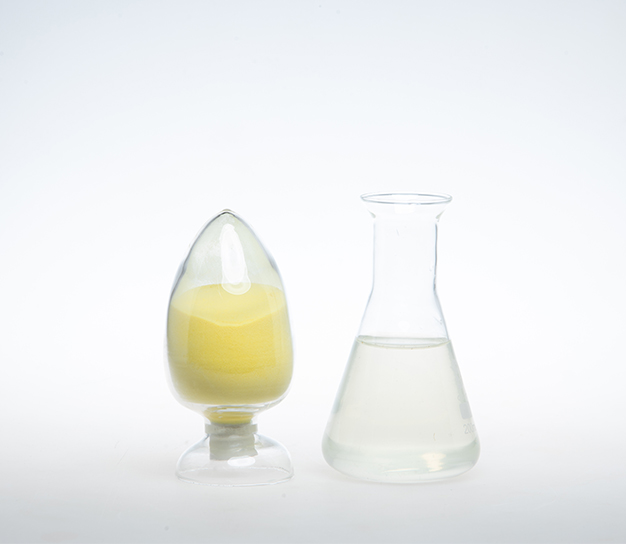
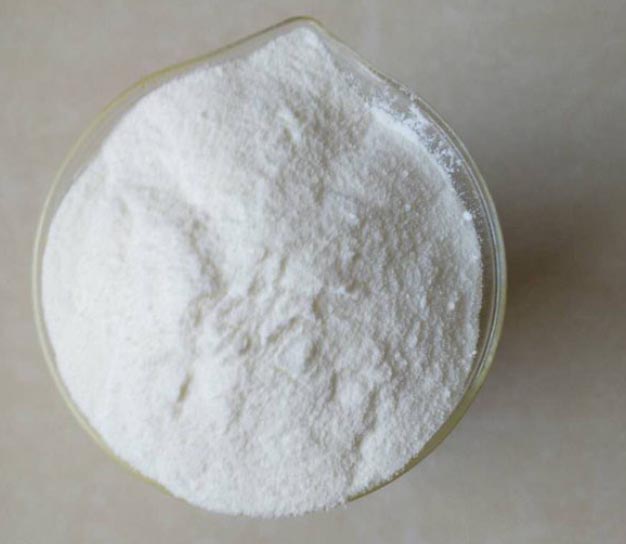
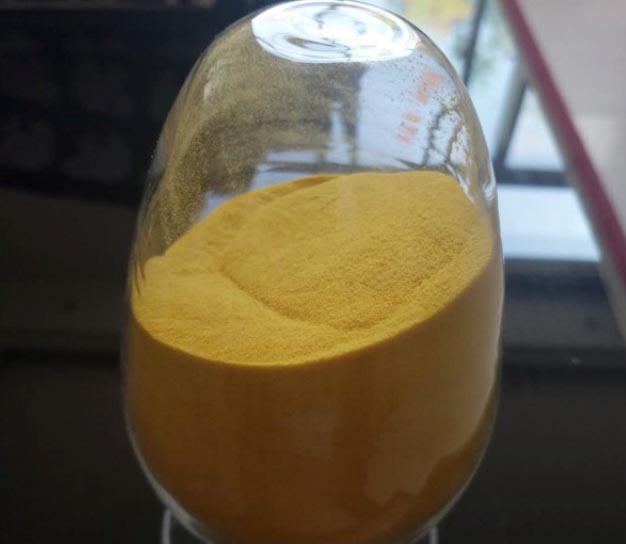
Polyaluminum chloride is the most commonly used water purification agent, which can be generally divided into several specifications based on
the content of aluminum oxide, such as 30%, 28%, 26%, and 24%. Most people may think that the higher the content of aluminum oxide,
the better the effect. However, when using high content polyaluminum chloride in the treatment of low turbidity wastewater, the suspended
solids do not precipitate after being added. The main reason is not because the content is too high, but because the water quality of some
wastewater itself is too acidic. The higher the content of polyaluminum chloride, the more acidic the product is, and it cannot effectively
react with it. It may also be because the suspended solids in the water are too light, and high content polyaluminum chloride canno
t effectively drive its precipitation to decrease, which is also the main reason.
Relatively speaking, the reaction between polyaluminum chloride and
sewage or tap water relies on alumina, and the content of alumina directly determines the effect of the reaction and the speed of flocculation.