
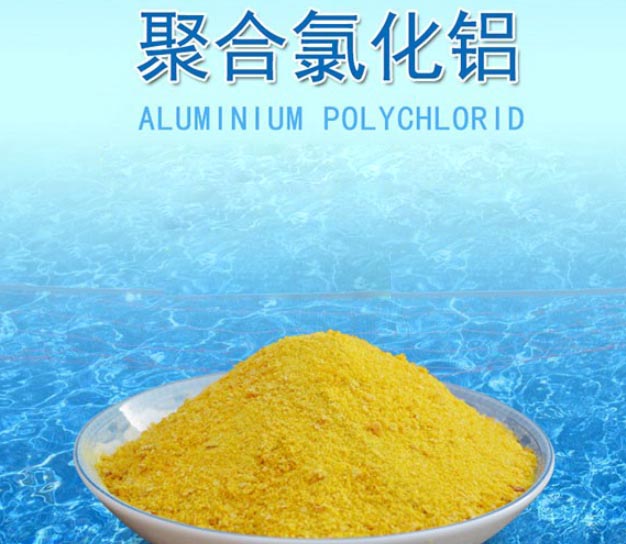
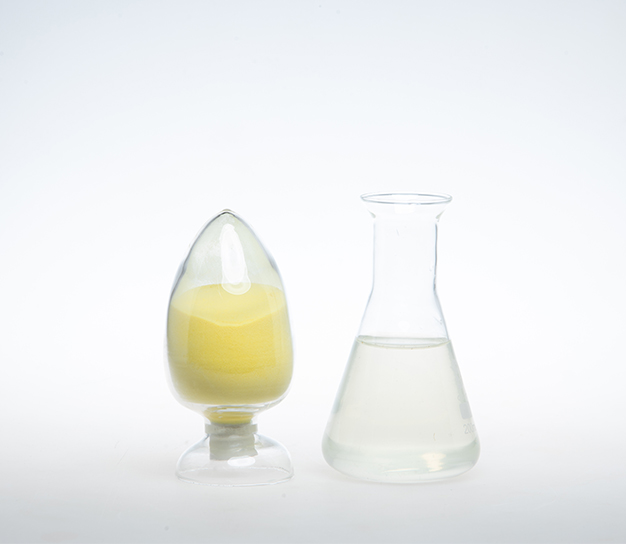
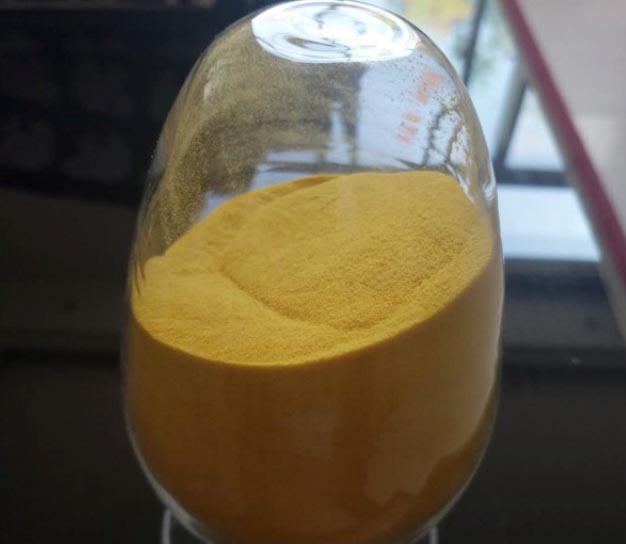
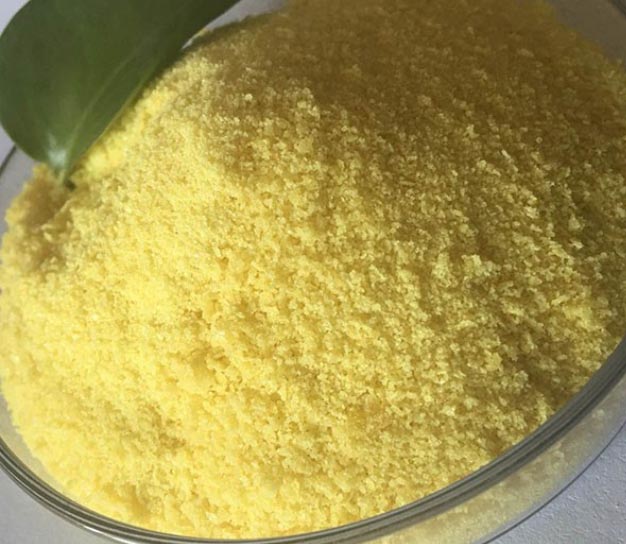
During the application of polyaluminum chloride flocculant, it is necessary to fully dissolve the polyaluminum chloride particles before it can be used. But we often see a thin layer of residue resembling a gel on the inner wall of the dispensing tank, and this residue is very sticky and slippery. If not cleaned up in a timely manner, it is easy to block the feed pump, and manual cleaning is required every time, which is a waste of time and labor.
Why does this phenomenon occur, and what are the ways to avoid residue?
Let's analyze below; Generally speaking, the reason for this phenomenon is excessive addition of polyaluminum chloride. In general, try to add polyaluminum chloride more evenly and avoid excessive addition.
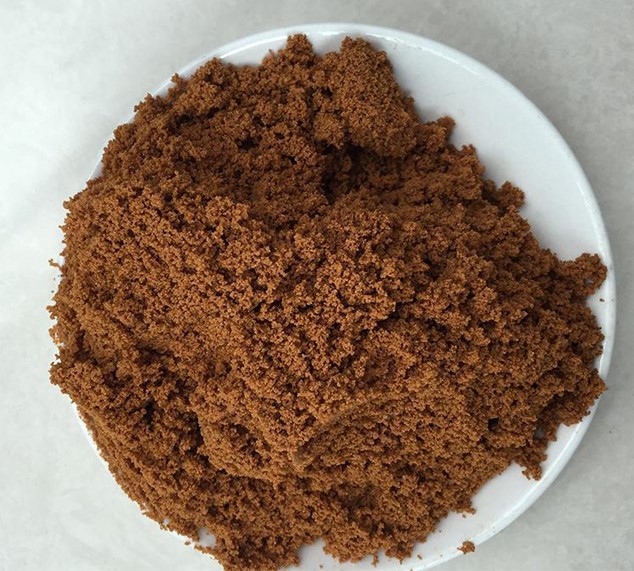
Through the test, it is found that the polymer flocculant is very easy to appear gel like substances if its concentration in the aqueous solution is higher than 5%. Generally, under normal circumstances, polyaluminum chloride is used to undergo flocculation and enter the flocs, but there are exceptions. If the concentration of high molecular weight substances is too high, the molecules will simply settle and bond.
If some or all of the polymer substances have no effect, they will automatically aggregate. If added excessively, the remaining polymer substances will gradually aggregate.
In fact, if you are careful, you can find that if the diluted polymer material is not used immediately but left for a while, you will find a layer of the same thing accumulating at the bottom. We need to dilute polyaluminum chloride at a high magnification and add it reasonably to avoid the appearance of residue.