
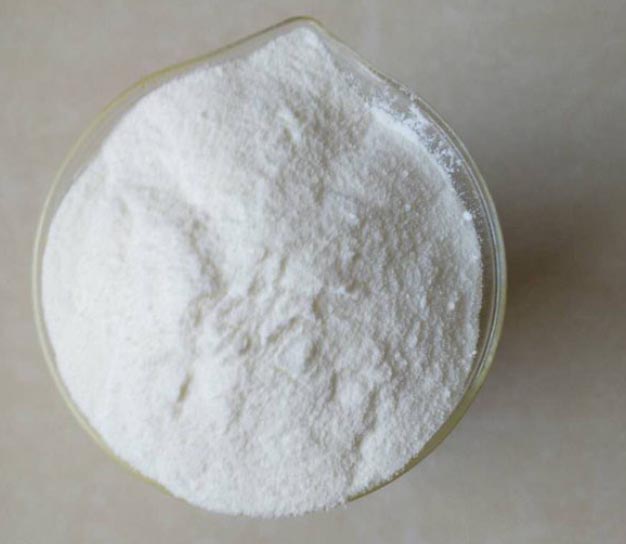
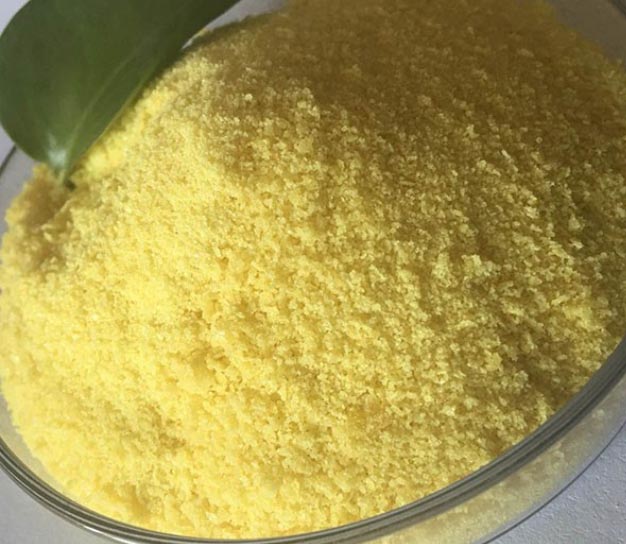
Aluminum hydroxide is an inorganic substance with the chemical formula Al (OH) 3, which is the hydroxide of aluminum. Aluminum hydroxide can react with acids to form salts and water, as well as strong bases to form salts and water, making it a amphoteric hydroxide. Due to its acidity, it can also be called aluminum acid. But in reality, the product produced when reacting with alkali is tetrahydroxyaluminate salt. Therefore, it is usually regarded as monohydrate aluminum acid and divided into industrial grade and pharmaceutical grade according to its use.
Aluminum hydroxide, as the most widely used inorganic flame retardant, has the functions of flame retardancy, smoke reduction, and filling. Especially, ultrafine aluminum hydroxide modified on the surface can also improve the mechanical properties of the material.
Aluminum hydroxide is mainly prepared and produced through the Bayer process and sintering method, among which the Bayer process is commonly used for production.
Advantages and characteristics of aluminum hydroxide flame retardant:
Ultra fine aluminum hydroxide has stable physical and chemical properties at room temperature, and does not produce secondary pollution during combustion. It has high whiteness and excellent chromaticity indicators. And nano aluminum hydroxide can not only improve the limited oxygen index of flame retardant polymers, enhance flame retardant performance, but also help improve the surface smoothness, mechanical and electrical properties of polymer products, enhance their resistance to leakage, arc and wear. In addition, the composite effect of aluminum hydroxide with other flame retardants is very ideal, which can produce synergistic effects with various substances, is non-volatile, non-toxic, non corrosive, and has abundant resources and relatively low prices. It is a widely used inorganic flame retardant.
At the same time, aluminum hydroxide is mainly used in chemical raw materials, sewage treatment, flame retardants, catalyst carriers, ceramics, pharmaceuticals, paper industry and other fields.