
1. What is sewage?
Wastewater refers to the general term for water discharged during production and daily activities. In human life and production activities, a large amount of water is used, which is often contaminated to varying degrees. The polluted water is called sewage.
2. What methods are used to treat sewage?
It is to use various technologies and means to separate and remove pollutants contained in sewage, recycle and reuse them, or convert them into harmless substances to purify water.
3. Application of biochemical treatment for sewage?
Biochemical treatment of wastewater is the effective removal of soluble and partially insoluble organic matter from wastewater through the life activities of microorganisms, resulting in water purification.
4. Introduction and explanation of aerobic and anaerobic bacteria?
Aerobic bacteria: bacteria that require the presence of free oxygen or are not eliminated in the presence of free oxygen.
Anaerobic bacteria: bacteria that do not require the presence of free oxygen or are not eliminated in the absence of free oxygen.
5. What is the relationship between water temperature and operation?
The water temperature has a significant impact on the operation of the aeration tank. The water temperature of a sewage treatment plant gradually changes slowly with the seasons, and there is almost no significant change within a day. If significant changes are observed within a day, an inspection should be conducted to determine if industrial cooling has entered. When the aeration tank operates within the range of 8-30 ℃ throughout the year and the water temperature is below 8 ℃, the treatment efficiency decreases, and the BOD5 removal rate is often below 80%.
6. What are the commonly used chemicals in sewage treatment?
Acid: hydrochloric acid, sulfuric acid, oxalic acid.
Alkali: lime, sodium hydroxide (caustic soda).
Flocculant: polyacrylamide.
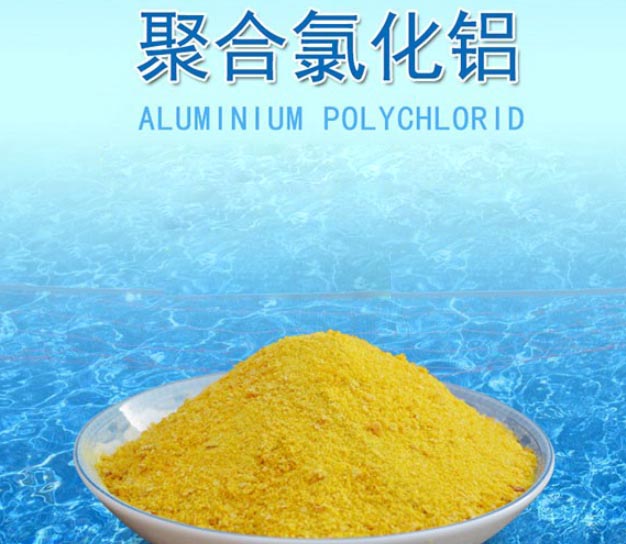
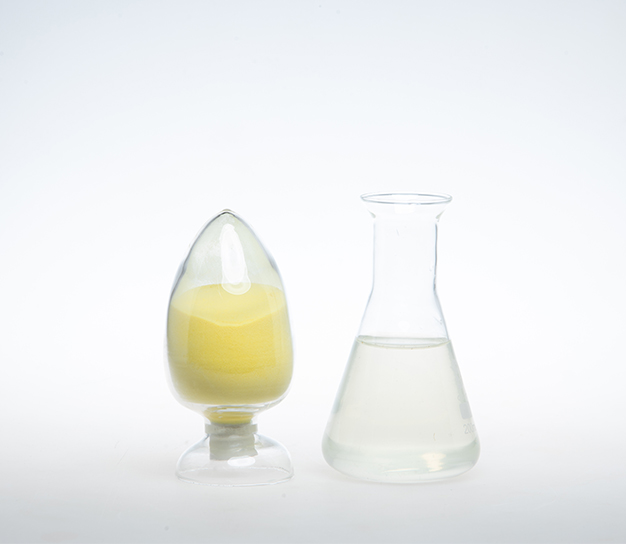
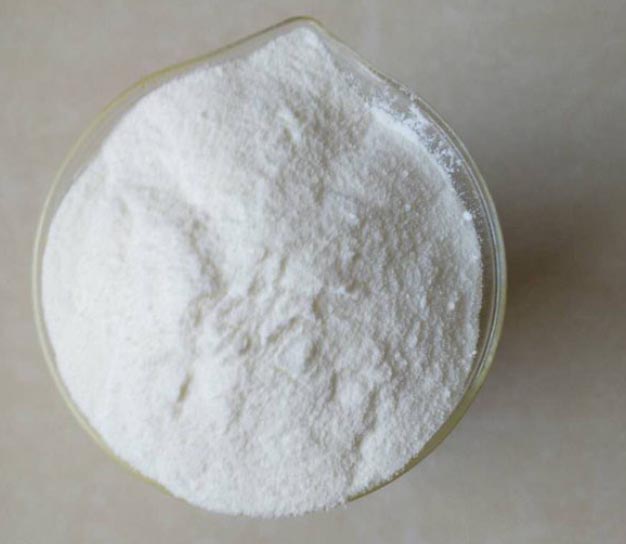
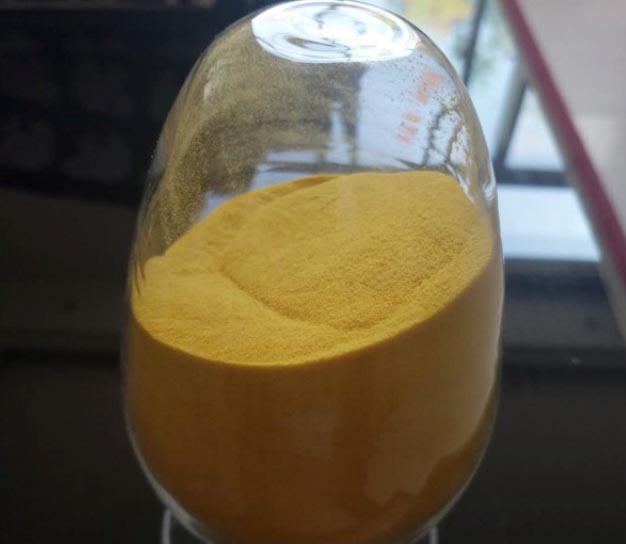
Coagulants: aluminum sulfate, polyaluminum chloride, ferric chloride.
Oxidants: Sodium hypochlorite, hydrogen peroxide (hydrogen peroxide).
Reducing agents: sodium sulfide, sodium metabisulfite, sodium bisulfite.
Functional agents: ammonia nitrogen remover, phosphorus removal agent, heavy metal scavenger, decolorizer, defoamer.
Other agents: demulsifiers, scale inhibitors, citric acid.